The Complete Guide to Healthy Eating
The Complete Guide to Healthy Eating: Simple Habits That Transform Your Life Eating well doesn’t have to be complicated. Discover practical, science-backed…
The Complete Guide to Healthy Eating: Simple Habits That Transform Your Life
Eating well doesn’t have to be complicated. Discover practical, science-backed strategies to nourish your body every single day.
📅 April 2026⏱ 5 min read🥗 Nutrition
“Let food be thy medicine and medicine be thy food.” — This ancient wisdom holds more truth today than ever. In a world full of fad diets and conflicting advice, healthy eating is simply about balance, variety, and consistency.
In today’s fast-paced world, healthy eating has become both a priority and a puzzle. With hundreds of diet trends, conflicting headlines, and superfoods appearing overnight, it can feel overwhelming to know what to eat. The good news? The foundation of healthy eating is surprisingly simple — and anyone can build it, one meal at a time.
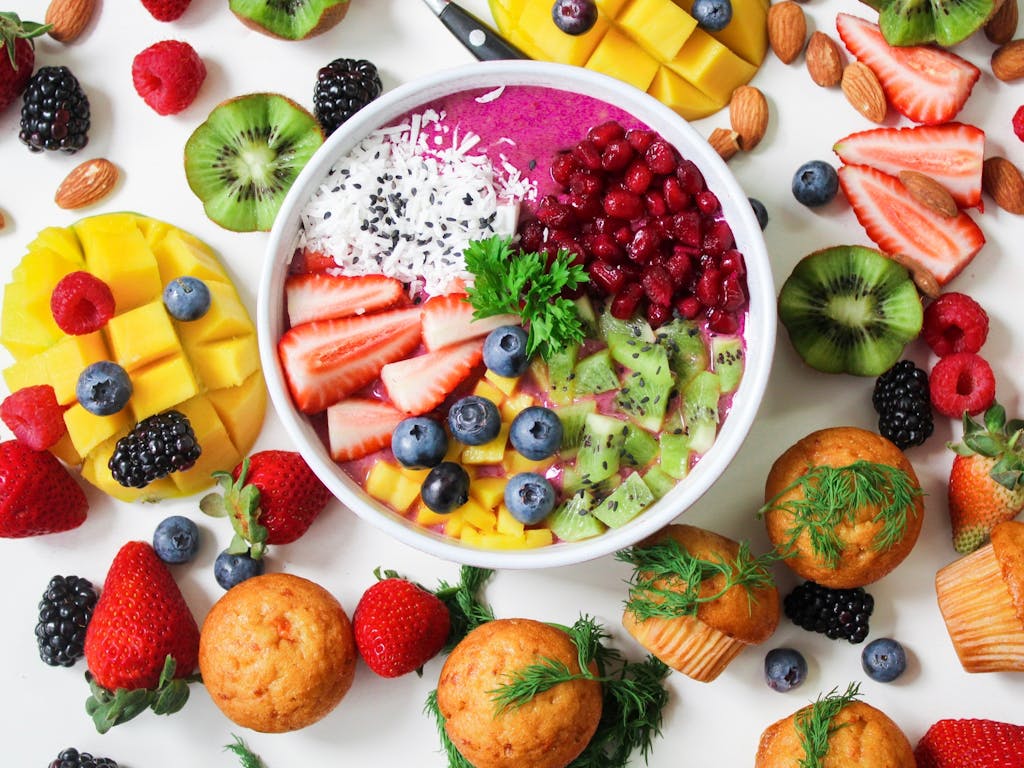
What Does “Healthy Eating” Actually Mean?
Healthy eating is not about strict restrictions, staying unrealistically thin, or depriving yourself of the foods you love. Rather, it’s about feeling great, having more energy, improving your health, and stabilizing your mood. It means fueling your body with the right nutrients in the right amounts — consistently, not perfectly.
According to the World Health Organization, a healthy diet includes a variety of fruits, vegetables, legumes, nuts, and whole grains — while limiting sugar, salt, and unhealthy fats. But beyond the science, healthy eating is also deeply personal, shaped by culture, lifestyle, budget, and taste.

The 7 Core Principles of Healthy Eating
🥦
Eat More Whole Foods
Choose foods as close to their natural state as possible — fruits, vegetables, whole grains, lean proteins.
💧
Stay Hydrated
Drink 8–10 glasses of water daily. Dehydration often masquerades as hunger, leading to overeating.
🍽️
Eat Mindfully
Slow down, chew thoroughly, and pay attention to hunger and fullness cues. Mindful eating prevents overeating.
⏰
Don’t Skip Meals
Regular meals keep blood sugar stable, boost metabolism, and prevent binge eating later in the day.
🌈
Eat the Rainbow
Different colored fruits and vegetables provide different vitamins and antioxidants your body needs.
📉
Limit Processed Foods
Packaged snacks, fast food, and sugary drinks offer little nutrition while contributing to chronic disease.
Building a Balanced Plate
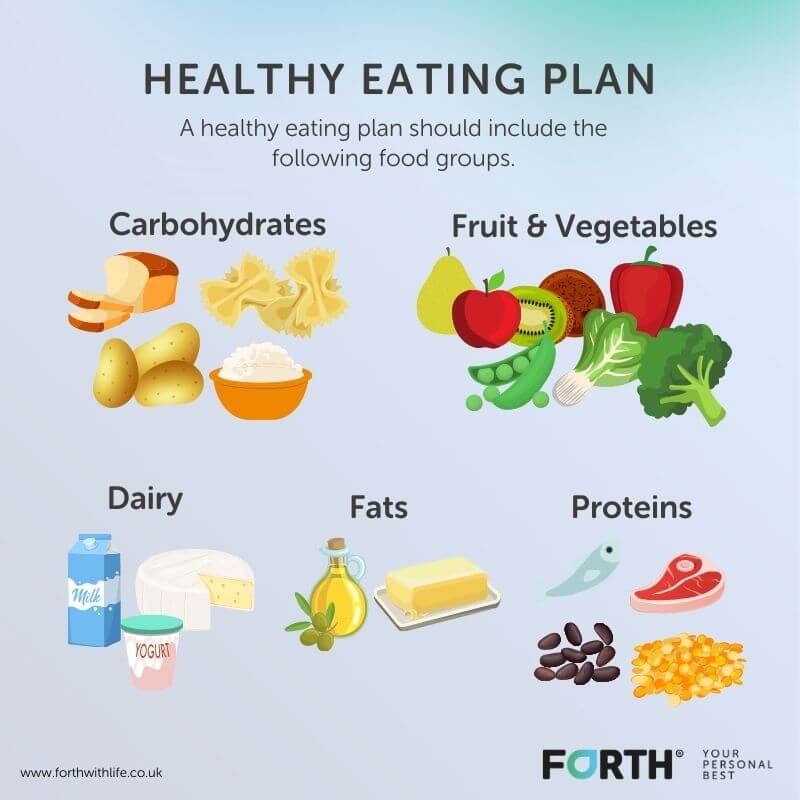
One of the easiest tools for healthy eating is the balanced plate model. Instead of counting calories obsessively, simply visualize your plate and aim for this breakdown at every meal:
The Ideal Plate Breakdown
🥗 Vegetables & Salad50%
🍚 Whole Grains (rice, bread, oats)25%
🍗 Lean Protein (chicken, lentils, eggs)25%
💧 Water or unsweetened drink(Always)
This method, popularized by Harvard’s Healthy Eating Plate, removes the guesswork from meal planning. You don’t need to weigh your food or track macros — just follow the visual.

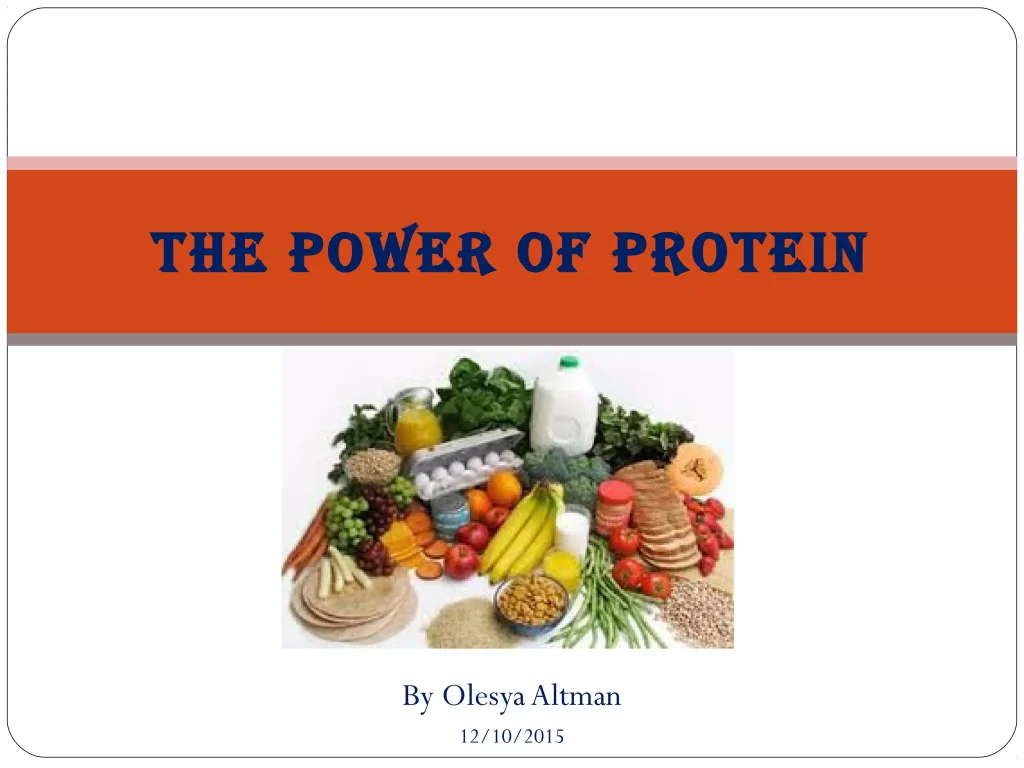
The Power of Protein
Protein is one of the most important macronutrients for overall health. It builds and repairs tissues, supports immune function, and keeps you feeling full longer. Adults should aim for approximately 0.8 grams of protein per kilogram of body weight per day.
Excellent protein sources include eggs, chicken, fish, Greek yogurt, lentils, chickpeas, tofu, and low-fat dairy. For those following a plant-based diet, combining foods like rice and beans creates a complete amino acid profile.
Healthy Fats Are Your Friends
For decades, fat was incorrectly demonized. Today, we know that healthy fats — found in avocados, olive oil, nuts, seeds, and fatty fish — are essential for brain function, hormone production, and absorbing fat-soluble vitamins (A, D, E, and K). The fats to limit are trans fats and excessive saturated fats found in processed and fried foods.

Common Nutrition Myths — Busted
Myth
Carbohydrates make you gain weight and should be avoided.
Fact
Whole carbohydrates like oats, brown rice, and sweet potatoes are excellent energy sources. It’s refined carbs and excess calories — not carbs themselves — that contribute to weight gain.
Myth
Eating fat makes you fat.
Fact
Dietary fat does not automatically convert to body fat. Healthy fats in proper portions are vital for wellbeing. Excess calories from any source — fat, protein, or carbs — contribute to weight gain.
Easy Healthy Eating Habits to Start Today
You don’t need to overhaul your entire diet overnight. Small, sustainable changes lead to lasting results. Here are a few habits you can adopt immediately:
Swap white rice for brown rice at least a few times a week for more fiber and nutrients. Add one extra serving of vegetables to each meal — toss spinach into eggs, add cucumber to your lunch. Replace sugary drinks with water infused with lemon, mint, or cucumber. Cook at home more often, giving you control over ingredients and portion sizes. Read food labels to watch out for hidden sugars and sodium in packaged goods.
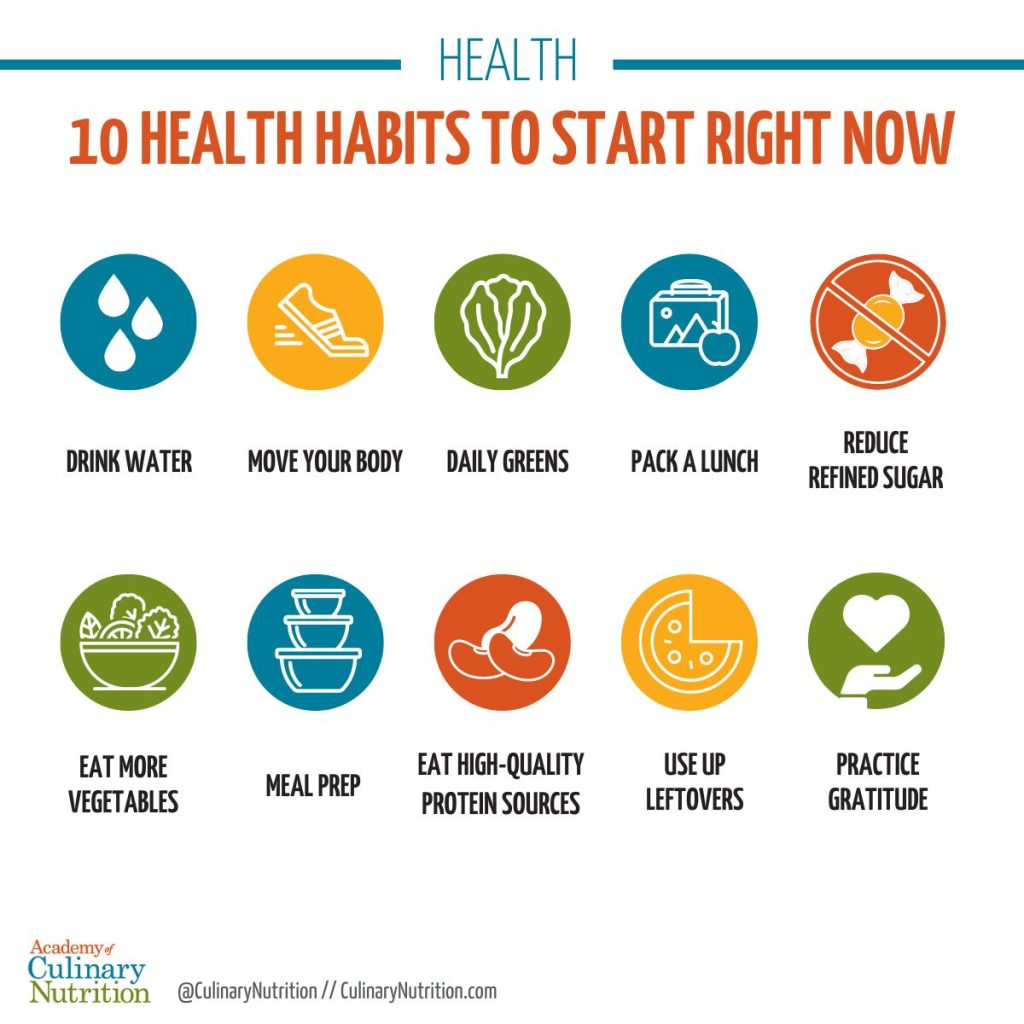
10 simple but powerful health habits you can start today for a better, healthier lifestyle.
Meal Planning: Your Secret Weapon
One of the biggest barriers to healthy eating is not knowing what to cook when hunger strikes. Meal planning solves this. Spend 30 minutes on Sunday preparing grains, chopping vegetables, and portioning snacks. When healthy food is readily available, you’re far less likely to reach for junk food.
Start small: plan just three dinners for the week. As the habit builds, expand to planning all meals and snacks. Studies consistently show that people who plan their meals eat healthier, waste less food, and save money.
- nutritionblog.site Blog
Healthy Eating on a Budget
A common misconception is that eating healthy is expensive. In reality, some of the most nutritious foods are also the most affordable: lentils, eggs, oats, bananas, carrots, cabbage, and canned tomatoes. Buying seasonal produce, shopping in bulk, and cooking from scratch are powerful strategies to eat well without breaking the bank.
The Bottom Line
Healthy eating is not a destination — it’s a daily practice. It doesn’t require perfection or expensive superfoods. It requires awareness, consistency, and small positive choices made repeatedly over time. Your body is remarkably responsive: even modest improvements in diet can lead to better energy, improved mood, stronger immunity, and reduced risk of chronic disease.
Start where you are. Use what you have. Do what you can. One nourishing meal at a time, you’re building a healthier, happier life.
Want more expert nutrition tips and healthy recipes?Visit NutritionBlog.site for new articles every week!
Healthy EatingNutritionBalanced DietMeal PlanningWellnessHealthy Habits